SW15 small flat removals Roehampton access advice
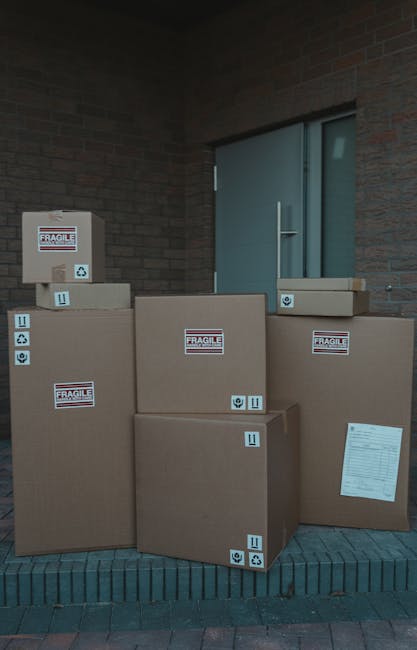
If you are planning a small flat move in Roehampton, the tricky part is often not the lifting. It is the access. Narrow stairwells, awkward parking, shared entrances, top-floor walk-ups, no lift, tight time windows, and the general reality of moving in SW15 can turn a simple job into a bit of a faff. That is exactly why SW15 small flat removals Roehampton access advice matters: it helps you avoid delays, protect your belongings, and make the day feel calm rather than chaotic.
This guide brings together the practical stuff people usually learn the hard way. You will see how access affects small flat removals, what to check before moving day, how to prepare your property, and which details matter most in Roehampton specifically. Whether you are moving from a studio, a one-bed flat, or a compact apartment in a converted house, a few smart decisions can save time, stress, and possibly a couple of bruised shins. Let's face it, nobody wants that on moving day.
One useful thing to keep in mind: small flat removals are often quicker than full-house moves, but only if the access is well planned. The van may be small, the load may be light, but a difficult entrance can slow everything down. So the aim here is simple: help you think ahead, stay realistic, and make the move smoother from the first box to the last.
- Why access advice matters in Roehampton
- How small flat removals usually work
- Key benefits of planning access properly
- Who this advice is for
- Step-by-step access planning
- Expert tips for a smoother move
- Common mistakes to avoid
- Useful tools, resources and recommendations
- Law, compliance and best practice
- Methods and access options compared
- Real-world example
- Practical checklist
- Conclusion
- Frequently asked questions
Why SW15 small flat removals Roehampton access advice Matters
Access is the hidden variable in almost every move. On paper, a small flat removal sounds straightforward: a few pieces of furniture, some boxes, maybe a bike, a monitor, and a suitcase full of things you forgot you owned. In practice, the route from front door to van can be the thing that decides whether the move takes two hours or five.
Roehampton has a mix of housing types, and that variety is exactly why access advice is useful. You may be dealing with a purpose-built flat, a converted Victorian property, an estate block, or a modern apartment with managed entrances. Each one brings its own quirks. Some have tight stair turns. Some have lift restrictions. Some have parking that looks available until you actually need it. That's the sort of detail that catches people out.
For small flat removals, the stakes are a little different from a large house move. You usually have fewer items, but they are often more fragile and more personally important because every box counts. If the route is awkward, people tend to carry things longer, rest items in odd places, or rush. That is when scratches, dropped corners, and irritated neighbours start to happen.
Good access advice is also about confidence. When you know where the van can stop, whether the lift is usable, and how the stairs are laid out, you can pack and schedule with a lot more certainty. That calm matters. A move is already one of those life admin days where your kettle is packed, your charger has vanished, and you are surviving on tea from a mug you found at the last second. Better access planning brings the temperature down a notch.
Expert summary: The smoother the access, the less handling your items need. Less handling usually means less risk, less time, and less stress. In small flat removals, that can make a bigger difference than people expect.
How SW15 small flat removals Roehampton access advice Works
Access advice works by breaking the move into a route, not just a destination. Instead of thinking only about your flat and the new place, you look at every step in between: parking, entry, stairs, lifts, corridors, turning space, and the distance from the door to the vehicle.
In a typical Roehampton small flat move, the process starts with a quick assessment. This might be done by phone, photos, or a short video walkthrough. The goal is to understand the practical layout before moving day. Is there a lift? How wide are the stairs? Can a van stop outside? Is there controlled parking? Are there security doors that need codes or key fobs? These are ordinary questions, but they shape everything.
Then comes planning. If access is tight, the mover may need a smaller vehicle, extra carrying equipment, more time, or a different arrival window. If the building has restrictions, the mover may need you to reserve parking, notify building management, or keep lift access clear. The better the planning, the less guesswork later.
On the day itself, access advice becomes practical action. Boxes are grouped sensibly. Furniture is protected. The route is kept clear. The team avoids unnecessary back-and-forth. If there is a top-floor flat with no lift, for example, it helps to know which items should come down first and whether anything should be dismantled before the crew arrives. Simple, but powerful.
Here is the basic logic in plain English:
- Check the property access at both ends.
- Identify restrictions early, especially parking and lift use.
- Match the vehicle and crew size to the route, not just the item count.
- Pack and label with the route in mind.
- Keep the access path open on moving day.
It sounds almost too obvious when written out like that. Yet these are the same details that most moving stress is built on.
Key Benefits and Practical Advantages
There are some very real advantages to thinking carefully about access before a small flat removal in Roehampton.
- Less delay: The crew can move efficiently when they know where they are going and how to get there.
- Lower risk of damage: Fewer awkward turns, fewer dropped items, fewer scrapes on walls and door frames.
- Better use of time: A well-planned small move can stay small. A poorly planned one can spiral oddly fast.
- Less physical strain: The right route and right vehicle reduce unnecessary carrying.
- More accurate quotes and scheduling: Clear access details help the mover estimate the job more realistically.
- Less stress for you: Knowing the plan makes the day feel controlled, even if the weather is a bit grim and the stairwell smells faintly of fresh paint.
There is another benefit that does not always get mentioned: better neighbour relations. In shared buildings, a move can be noisy and disruptive. If you keep halls clear, use protective runners where needed, and avoid parking dramas, everyone's day improves. Small thing, but it matters.
Access planning also helps if you are moving with limited help. Maybe you are moving on your own, maybe with one friend, maybe after work on a tight schedule. A realistic access plan prevents that awkward moment where the sofa is halfway out and everyone realises it will not fit around the corner. Been there? Most people have, or at least something very like it.
Who This Is For and When It Makes Sense
This advice is for anyone moving a smaller property in SW15 where access could be anything from easy to mildly annoying. In practice, that includes:
- Tenants leaving or entering a studio or one-bedroom flat
- Homeowners downsizing to a smaller property
- Students or young professionals moving with compact loads
- People in converted houses with narrow internal stairs
- Residents in estate blocks with lifts, codes, or parking controls
- Anyone moving fragile, awkward, or high-value items through a tight route
It makes sense whenever access is not completely straightforward. That includes top-floor walk-ups, basements, basement flats with steps, busy roads where parking is limited, and flats with time-restricted loading. In Roehampton, this is especially relevant because the local housing mix can vary a lot from one street or estate to the next.
It also makes sense if you are trying to keep costs under control. Many people focus only on the number of boxes, but access can affect the time required and therefore the overall effort. Even a small move can become surprisingly heavy-going if the route is poor. Truth be told, a short staircase can feel endless when you are carrying a mattress or a bulky desk.
If your move is simple and ground-floor-to-ground-floor, you may still benefit from this advice, but perhaps less dramatically. If there is any doubt at all, it is worth the time. The savings are usually in the boring bits, and boring bits are exactly where a move goes right.
Step-by-Step Guidance
Here is a practical way to prepare for SW15 small flat removals Roehampton access advice without overcomplicating it.
1. Map the access route from flat to van
Walk the full path as if you were carrying a large box. Look at doors, stairs, turns, landings, and any changes in surface. If you need to turn sharply or squeeze through a communal hallway, note it down. Photos help more than people think. A quick phone video of the stairwell can save a lot of back-and-forth later.
2. Measure the awkward bits, not just the rooms
You do not need a tape measure for every skirting board. But it is useful for stairs, door widths, lift openings, and furniture that might not like being manoeuvred at an angle. A sofa that fits in the room may still be a nuisance on the stairs. That is the part people miss.
3. Check parking and loading conditions
Find out where the van can stop closest to your entrance. Is it a yellow line area, a permit bay, a private forecourt, or a shared access road? If parking is tight, factor that in early. A van parked too far away can turn a small move into a long shuttle. Nobody enjoys that little extra march up and down the pavement.
4. Speak to building management if needed
Some blocks need advance notice for lift use, loading bay access, or large-item moves. If your building has a concierge, caretaker, or management office, contact them early. Ask about time windows, booking rules, and protection requirements. If you are not sure who to ask, start with the most obvious contact and work from there. It is usually easier than it feels.
5. Decide what needs dismantling
Flat-pack furniture, bed frames, tables, and some wardrobes are easier to move in pieces. If a piece is awkward through the corridor, dismantle it before the move starts rather than hoping for the best. Hope is not a moving strategy. A good one, no.
6. Pack with access in mind
Heavy boxes should be small. Fragile items should be well wrapped. Keep essentials separate so you are not hunting for medication, chargers, or bedding after a long day. If the flat has stairs or a tight front door, clear the route before the crew arrives. A tidy landing makes a bigger difference than you would think.
7. Keep communication simple on the day
If something changes, tell the mover quickly. A blocked bay, a lift out of service, or a neighbour parking in the loading space can be sorted faster if everyone knows early. Moving day always has a little drama somewhere. The trick is to keep it small.
Expert Tips for Better Results
Some tips are obvious once you hear them. The trick is hearing them before your back does.
- Use smaller boxes for books and kitchen items. Heavy boxes are slower, harder to carry, and more likely to split.
- Label by room and priority. "Kitchen - first night" is more useful than just "misc".
- Protect the route. If the weather is wet, floors and steps can become slippery. Keep towels or covers handy.
- Leave space around the front door. The tiniest clearing at the threshold can save several minutes of fuss.
- Take a quick video walkthrough before you start. It helps if anything gets questioned later.
- Keep keys, fobs, and parking permits in one place. A lost key on moving day can create a very British kind of panic.
A small move is often more about rhythm than strength. If items flow from room to door to van without stopping, the whole thing feels lighter. If the flow gets broken, even a short move can drag. That is why route planning is such a quiet win.
Another useful trick: place the first items you want in the new flat near the exit the night before. Bedding, kettle, basic cleaning supplies, charger, and one change of clothes are enough to make the first evening feel human. Small comfort, big difference.
Common Mistakes to Avoid
Most moving headaches are predictable. Not always avoidable, but predictable, which is something.
- Assuming a small move needs little planning. Small does not always mean easy.
- Ignoring parking. If the van cannot stop nearby, time disappears quickly.
- Forgetting stair width or lift size. This is where furniture gets stuck and everyone goes quiet for a second.
- Packing boxes too heavily. A box that is too heavy slows down the move and increases the chance of damage.
- Not checking access codes or keys. This one is maddeningly common.
- Leaving recycling, bins, or loose items in corridors. Shared spaces need to stay clear.
- Booking too tight a timeslot. If access is slightly awkward, leave breathing room.
One subtle mistake is failing to think about the new property as well as the old one. People focus on leaving, then arrive at the new place and discover the lift is smaller than expected or the parking is a little awkward. Both ends matter. Always both ends.
Another one: not mentioning pet gates, security doors, or internal courtyard access. These details feel minor until they are not. A mover can work around almost anything if they know about it. Surprise is what causes friction.
Tools, Resources and Recommendations
You do not need a warehouse full of kit for a small flat removal, but a few practical tools can make the job noticeably smoother.
- Tape measure: Good for checking the awkward dimensions that matter most.
- Phone camera: Ideal for photographing staircases, access gates, parking signs, and tricky corners.
- Labels and marker pens: Keep them simple and bold.
- Protective covers or blankets: Useful for furniture edges, doors, and floor protection.
- Sturdy gloves and decent shoes: Not glamorous, but helpful.
- Basic toolbox: Screwdrivers, Allen keys, and a small bag for fixings.
- Reusable bags or bins: Handy for items you need quickly on arrival.
If you are comparing movers or planning your own small flat move, it also helps to ask practical questions in advance. For example: Can they handle stairs without a lift? Do they need parking close to the entrance? Can they dismantle certain items? Will they protect floors in communal areas if needed? These questions are simple, but they tell you a lot about how the move will actually feel on the day.
And a small but useful recommendation: keep one bag with tea, snacks, and phone charger access. It sounds trivial until 4:30pm rolls around and you are staring at a half-packed kitchen. Tea is not a strategy, but it helps.
Law, Compliance, Standards, or Best Practice
When small flat removals involve roads, parking, shared buildings, or communal areas, best practice matters. You may need to follow building rules, local parking restrictions, and any requirements set by landlords, managing agents, or residents' associations. These can vary, so it is always sensible to check the specifics for your property rather than assume.
In the UK, movers and residents also need to be mindful of general safety duties. That includes keeping walkways clear, avoiding blockages in communal exits, lifting safely, and preventing damage to shared spaces. If you are moving in a managed block, be careful with lift use, protective padding, and booked times. Some buildings expect advance notice for larger items or delivery vehicles.
It is also good practice to think about nuisance. Try to keep noise down where possible, especially in early mornings or evenings. Be respectful with shared parking and access routes. Roehampton, like most London areas, has plenty of people trying to get on with their day. A considerate move usually goes down better with everyone.
For anything involving special access arrangements, unusual items, or security-controlled entrances, clarify expectations early. Not every move needs formality, but a little clarity prevents awkward conversations later. To be fair, most issues disappear when they are discussed before the van arrives.
Options, Methods, or Comparison Table
If you are deciding how to handle a small flat removal in Roehampton, the choice is often between doing more yourself, using a light-touch service, or opting for a fuller assisted move. The right option depends on access, time, budget, and how much lifting you want to do.
| Method | Best for | Strengths | Potential downside |
|---|---|---|---|
| Self-move | Very small loads and simple access | Flexible and hands-on | More physical effort, more risk if stairs or parking are awkward |
| Man-and-van style move | Studios, one-beds, and compact furniture | Good balance of support and cost control | Requires you to prepare access and packing properly |
| Assisted small removals | Top-floor flats, difficult staircases, tighter deadlines | Less stress, better handling of awkward items | Usually costs more than a basic self-move |
In many SW15 situations, the middle option is the sweet spot. Not always, but often. If your access is straightforward, a smaller setup may be enough. If you have a long carry, awkward stairs, or no parking nearby, paying for more support can be worth it simply for the reduced friction.
There is no single perfect method. The best choice is the one that fits the route as well as the item list.
Case Study or Real-World Example
Consider a realistic Roehampton move from a one-bedroom flat on an upper floor to another small property not far away. The furniture list is modest: bed frame, mattress, two bedside units, small sofa, desk, office chair, TV, and around twenty boxes. At first glance, that looks simple.
Then the access details appear. The old building has a narrow stairwell and no lift. The street outside has limited parking and a shared entrance used by several residents. The new flat has a lift, but only if it is booked with the building office in advance. Nothing impossible, but there are a few moving parts.
The move goes better once those details are handled early. The bed is dismantled the day before. Boxes are kept small, especially the books and kitchen stuff. Parking is arranged close to the entrance, and the mover is told about the stair width before arriving. On moving day, the first items out are the lighter boxes and loose pieces, which keeps the stair flow steady. The sofa takes a bit of manoeuvring, but because the route is already cleared, it gets out without drama.
What made the difference was not brute force. It was access awareness. The total volume was low, but the route still needed planning. In a smaller move, that kind of planning often matters more than people expect. You notice it especially at the end of the day, when the kettle is unpacked first and the room looks almost like home already. Small win, but a proper one.
Practical Checklist
Use this checklist before your move. It is simple on purpose.
- Confirm the full address, floor level, and whether there is a lift
- Check stair width, corners, and door clearances for larger furniture
- Find out where the van can legally and practically stop
- Check whether parking permits or loading permissions are needed
- Ask about access codes, keys, fobs, or concierge arrangements
- Tell the mover about any awkward items in advance
- Dismantle furniture if it will clearly make the move easier
- Pack heavy items into smaller boxes
- Keep essentials separate for the first night
- Protect floors, walls, and shared hallways where needed
- Keep corridors, exits, and entrances clear
- Have phone contact ready on the day
If you can tick off most of that list, you are already ahead of the game. Not glamorous, but effective.
Get a free quote today and see how much you can save.
Conclusion
Small flat removals in Roehampton do not have to be difficult, but they do reward attention to detail. Access is the part many people underestimate, yet it is often the part that decides how smooth the day feels. A short staircase, a tight parking space, a lift booking, or a narrow hallway may seem minor on their own. Put them together, and they shape the whole experience.
The good news is that access issues are usually manageable. With a little planning, a clear route, sensible packing, and honest communication, even a compact SW15 move can feel organised and under control. That is really the heart of good SW15 small flat removals Roehampton access advice: not perfection, just a calmer, safer, more practical move.
If you prepare well, the day tends to unfold better than you feared. And honestly, that is a lovely feeling when the last box is in, the door shuts, and you can finally put the kettle on.
Frequently Asked Questions
What does SW15 small flat removals Roehampton access advice actually cover?
It covers the practical route details that affect a move: parking, stairs, lifts, door widths, access codes, loading space, and how easy it is to get items from the flat to the vehicle. It is about planning the journey, not just the destination.
Why does access matter so much for a small flat move?
Because even a small load can become slow and awkward if the route is tight or poorly planned. Access affects time, effort, and the chance of damage. A short move with bad access can feel harder than a bigger move with good access.
How do I know if my Roehampton flat has difficult access?
Look for narrow staircases, no lift, restricted parking, long corridors, security doors, basement steps, or any need to book building access. If you think you might need to turn furniture sharply or carry it a long way, that is usually a sign the access needs checking.
Should I measure my furniture before moving day?
Yes, especially the larger or awkward pieces. You do not need to measure every box, but door widths, stair turns, and furniture dimensions can save a lot of trouble. A quick measurement now is better than a stuck sofa later.
Do I need to tell the mover about parking restrictions?
Absolutely. Parking is one of the biggest factors in how smooth a small move feels. If the van cannot stop close by, everything takes longer and the team may need to make repeated trips. That is easy to plan around if you mention it early.
What should I do if my building needs lift booking or access notice?
Contact the building management, concierge, or landlord as early as you can. Ask what notice is needed, whether the lift can be booked, and whether there are time restrictions. Sorting that out early avoids last-minute stress on the day.
Is it worth dismantling furniture for a small flat removal?
Often, yes. If a bed frame, table, or wardrobe will fit better in pieces, dismantling can save time and reduce the risk of damage. It also makes the carrying route easier, especially in narrow stairwells or awkward hallways.
What size boxes should I use for a small flat move?
Small to medium boxes are usually best, especially for heavy items like books, kitchenware, and files. Overfilled boxes are harder to carry and more likely to split. Smaller boxes may seem less efficient at first, but they are far easier on the day.
How can I make moving day less stressful?
Prepare the route, pack essentials separately, label boxes clearly, and keep parking and access details organised. A few calm decisions before the move can make a big difference. Also, keep tea nearby. That helps more than it should, frankly.
What if the staircase is too narrow for my furniture?
If a staircase looks too tight, speak to the mover before the day and consider dismantling the item, using an alternative route, or choosing a different moving method. It is better to adapt the plan than to force a piece through and risk damage.
How far in advance should I plan access for a small flat move?
As early as possible, but ideally a few days before the move at minimum. If you need parking arrangements, lift bookings, or building permissions, give yourself more time. The earlier you check, the fewer surprises you get.
Can a small flat move still need professional help?
Yes, definitely. Small moves can be simple, but awkward access, heavy furniture, or time pressure can make professional help worthwhile. The right support depends less on the amount of stuff and more on the route and the level of effort involved.